Modern witchcraft is a diverse spiritual path‚ blending ancient practices with contemporary needs‚ empowering individuals through ritual‚ energy work‚ and a connection to nature.
Historical Roots of Modern Witchcraft
Tracing the lineage of modern witchcraft requires acknowledging a complex interplay of historical influences‚ diverging from solely focusing on the European witch trials. While those trials undeniably shaped perceptions‚ the modern revival draws significantly from ceremonial magic traditions of the 19th and 20th centuries.
Figures like Eliphas Lévi and Aleister Crowley laid groundwork through their exploration of occultism and esoteric systems; Simultaneously‚ folklore studies‚ particularly those by Margaret Murray‚ posited a pre-Christian pagan religion surviving in secret – a theory now largely discredited by historians‚ yet profoundly influential on early Wicca.
This blend of occult revivalism‚ misinterpreted folklore‚ and a growing counter-cultural movement in the mid-20th century provided fertile ground for the emergence of what we now recognize as modern witchcraft‚ a reimagining of ancient practices for a contemporary world.
The Rise of Wicca
Wicca‚ often considered the most well-known branch of modern witchcraft‚ formally emerged in England during the 1950s‚ largely through the work of Gerald Gardner. Gardner synthesized elements of ceremonial magic‚ folklore‚ and his own innovations‚ presenting it as a revival of ancient pagan witchcraft. His published works‚ like “Witchcraft Today‚” sparked significant interest and initiated the first covens.
Subsequently‚ Doreen Valiente refined Gardner’s rituals and theology‚ contributing significantly to Wiccan practice. The 1960s and 70s witnessed Wicca’s spread to North America‚ evolving into various traditions‚ including Alexandrian Wicca and Dianic Wicca‚ each with unique emphases.
Central to Wicca are the worship of a God and Goddess‚ reverence for nature‚ and the celebration of seasonal Sabbats‚ forming a cyclical spiritual framework.
Eclectic Witchcraft: A Personalized Path
Eclectic witchcraft represents a significant trend within the modern practice‚ characterized by its freedom from rigid dogma and structured traditions. Unlike Wicca or other established paths‚ eclectic witches draw inspiration from diverse sources – including various pagan traditions‚ folklore‚ herbalism‚ energy work‚ and even Eastern philosophies – to create a highly personalized practice.
This approach allows practitioners to tailor their craft to their individual beliefs‚ preferences‚ and spiritual needs. An eclectic witch might incorporate elements from Celtic mythology alongside practices rooted in Hoodoo or shamanism‚ forging a unique spiritual system.
The core principle is intentionality and resonance; practitioners choose what feels authentic and effective for them‚ fostering a deeply individual connection to the magical arts.
Understanding Modern Witchcraft Terminology
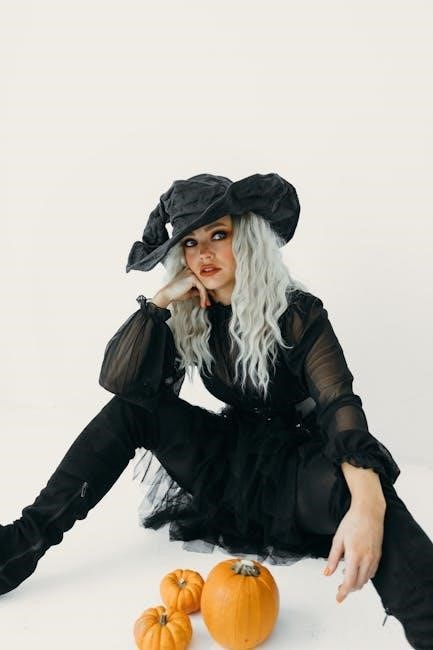
Navigating the world of modern witchcraft requires understanding its unique lexicon. “The Craft” is a common‚ often discreet‚ term for the practice itself. “Magick” (with a ‘k’) distinguishes intentional spiritual work from stage illusion. Practitioners may identify as witches‚ wiccans (followers of a specific religion)‚ or eclectic witches‚ blending various traditions.
Terms like “Sabbat” refer to seasonal festivals‚ while “Esbat” denotes rituals performed during the full moon. “Spellwork” encompasses intentional acts to manifest desired outcomes‚ and “divination” involves seeking insight through tools like tarot or pendulums.
Understanding these terms‚ alongside concepts like “energy work” and “intent‚” is crucial for comprehending the nuances of this evolving spiritual landscape and engaging respectfully with the community.
Core Beliefs and Principles
At the heart of modern witchcraft lies a belief in inherent power within individuals and the interconnectedness of all things. Many practitioners embrace a reverence for nature‚ recognizing the divine in both masculine and feminine energies. Personal responsibility is paramount; witches are encouraged to take ownership of their actions and their magical workings.
A core tenet is the understanding that magic isn’t about controlling outcomes‚ but rather about influencing energies and aligning with natural forces. Ethical considerations are vital‚ with many adhering to principles like the Law of Three – the belief that whatever energy one sends out returns threefold.
Ultimately‚ modern witchcraft emphasizes empowerment‚ self-discovery‚ and a harmonious relationship with the world.
The Importance of Intent
Intent is the cornerstone of effective magical practice in modern witchcraft. It’s not merely what you do‚ but why you do it that shapes the outcome of spells and rituals. A clearly defined and focused intent acts as a directional force‚ guiding energy towards a specific goal. Ambiguous or conflicting intentions can lead to unpredictable or diluted results.
Witches cultivate mindful awareness of their motivations‚ ensuring they align with ethical principles and personal values. Intent isn’t a one-time declaration; it’s a sustained focus maintained throughout the magical working. Visualizing the desired outcome‚ coupled with strong emotional resonance‚ amplifies the power of intent.
Ultimately‚ a potent intent transforms magic from wishful thinking into a focused act of will.
The Law of Three & Ethical Considerations
The Law of Three‚ a central tenet in many Wiccan and witchcraft traditions‚ posits that whatever energy one puts forth into the world returns threefold. This principle underscores the profound responsibility inherent in magical practice‚ emphasizing that all actions have consequences.
Ethical considerations are paramount. Modern witches often grapple with the morality of spellcasting‚ particularly concerning manipulation or harm. Many adhere to a harm-none philosophy‚ avoiding curses or hexes unless justified for self-defense or to break harmful patterns.
Respect for free will is also crucial; spells should aim to influence situations‚ not control individuals. Responsible witchcraft involves careful consideration of potential repercussions and a commitment to using power wisely and ethically.

Tools and Supplies for the Modern Witch
The tools of a modern witch are diverse and often personalized‚ extending far beyond the stereotypical broomstick. A foundational toolkit frequently includes candles‚ representing the element of fire and intention; incense‚ for purification and connection to the divine; and crystals‚ believed to hold specific energies.
An altar‚ a sacred space for ritual work‚ can be simple or elaborate‚ adorned with items meaningful to the practitioner. Tarot or oracle cards are popular for divination‚ offering guidance and insight. Herbs and oils are used in spellwork and anointing‚ harnessing their natural properties.
Ultimately‚ a witch’s tools are extensions of their will and intention‚ chosen to facilitate connection and empower magical practice. Many tools can be easily sourced or crafted‚ reflecting a personal touch.
Spellcasting: Techniques and Approaches
Spellcasting in modern witchcraft is a focused practice of directing energy and intention to manifest desired outcomes. It’s not about waving a wand and instantly getting results‚ but rather a process of aligning oneself with natural forces and utilizing symbolic actions.
Techniques vary widely‚ from simple candle magic and herbal charms to complex rituals involving multiple elements and correspondences. Visualization is key – clearly imagining the desired outcome is crucial for success. Spells often incorporate affirmations‚ incantations‚ and the use of symbolic objects.
Ethical considerations are paramount; many witches adhere to the Law of Three‚ believing that whatever energy one sends out will return threefold. Careful planning and responsible intention are vital components of effective spellwork.
Rituals and Sabbats
Rituals are the cornerstone of many witchcraft practices‚ providing a structured framework for connecting with the divine‚ honoring nature‚ and manifesting intentions. They often involve creating sacred space‚ invoking energies‚ and performing symbolic actions. Rituals can be highly personalized‚ reflecting the witch’s individual path and beliefs.
Sabbats‚ derived from ancient agricultural festivals‚ mark the turning points of the Wheel of the Year. These eight festivals – Samhain‚ Yule‚ Imbolc‚ Ostara‚ Beltane‚ Litha‚ Lammas‚ and Mabon – celebrate seasonal changes and offer opportunities for magical work aligned with the earth’s cycles.
Participating in Sabbats fosters a deeper connection to nature and provides a communal aspect for many witches‚ strengthening their practice and shared beliefs.
Divination Methods
Divination serves as a vital tool for modern witches‚ offering guidance‚ insight‚ and a deeper understanding of themselves and the world around them. It’s a means of accessing information beyond the realm of ordinary perception‚ fostering intuition and self-awareness.
Tarot and Oracle cards are among the most popular divination tools‚ utilizing symbolic imagery to reveal patterns‚ possibilities‚ and potential outcomes. Skilled readers interpret the cards’ meanings within the context of the question asked.
Scrying‚ involving gazing into a reflective surface like water or a crystal ball‚ and pendulum work‚ using a weighted object to receive ‘yes’ or ‘no’ answers‚ are also common methods. These techniques require practice and a focused mind to interpret subtle energies and receive clear guidance.
Tarot and Oracle Cards
Tarot and Oracle cards are cornerstone divination tools for many modern witches‚ offering a rich tapestry of symbolism and intuitive insight. The Tarot‚ with its 78 cards structured around the Major and Minor Arcana‚ delves into complex life themes‚ karmic patterns‚ and potential futures.
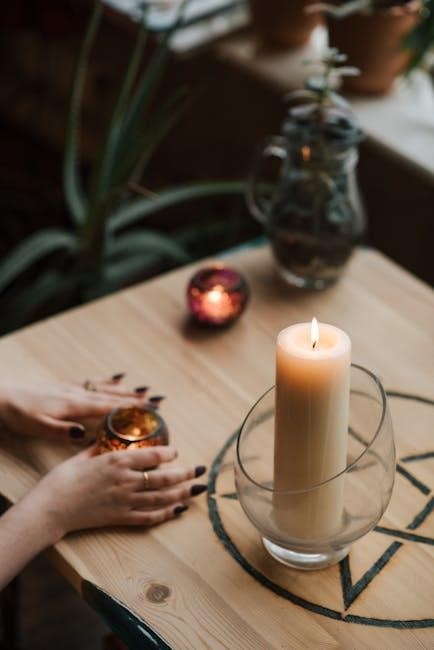
Oracle cards‚ conversely‚ are more varied in theme and structure‚ often focusing on specific areas like self-love‚ animal guides‚ or ancestral wisdom. They provide direct‚ often gentle‚ guidance and affirmation.
Reading these cards isn’t about predicting a fixed future‚ but rather exploring probabilities and empowering informed choices. Skilled practitioners interpret the cards’ imagery‚ numerology‚ and elemental associations within the context of the querent’s question‚ fostering self-reflection and personal growth.
Scrying and Pendulums
Scrying‚ the art of gazing into a reflective surface – water‚ mirrors‚ crystals‚ or even smoke – to receive visions‚ remains a potent divination method. It requires a focused mind and a willingness to enter an altered state of consciousness‚ allowing images and messages to surface from the subconscious or beyond.
Pendulums‚ typically a weighted object suspended from a chain‚ are used for ‘yes’ or ‘no’ questions and locating energy. The pendulum’s swing is interpreted as a response‚ guided by the practitioner’s intuition and subtle muscle movements.
Both techniques tap into the practitioner’s inner wisdom and connection to unseen forces. They are valuable tools for receiving clarity‚ uncovering hidden information‚ and strengthening intuitive abilities within a modern witchcraft practice.
Working with Energy
Central to modern witchcraft is the understanding and manipulation of energy‚ often referred to as ‘magickal energy’ or ‘prana’. This isn’t about supernatural power‚ but recognizing the inherent energy within oneself‚ in nature‚ and the universe. Practitioners learn to sense‚ raise‚ and direct this energy for various purposes‚ including spellcasting‚ healing‚ and personal transformation.
Techniques include grounding and centering – establishing a connection to the earth and finding inner balance – visualization‚ and energy manipulation exercises like drawing energy from the moon or sun.
Understanding energy flow allows witches to influence outcomes‚ enhance intentions‚ and create positive change in their lives and the world around them‚ fostering a deeper connection to the interconnectedness of all things.
Connecting with Nature and Deities
A cornerstone of many witchcraft paths is a deep reverence for nature‚ viewing the natural world as sacred and imbued with inherent power. This connection manifests through honoring the seasons‚ working with herbs and crystals‚ and spending time in natural settings to absorb energy and gain wisdom.
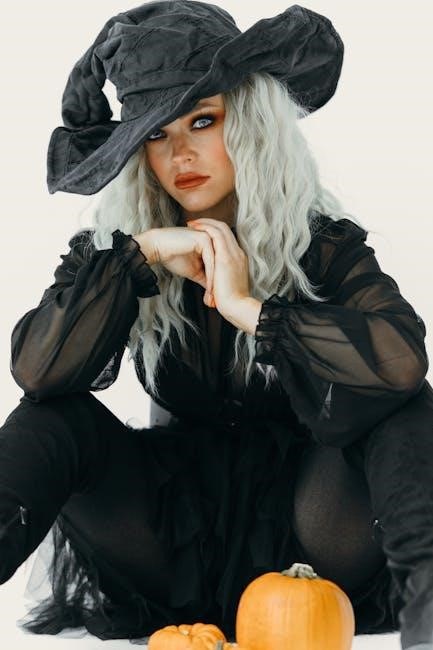
Many witches also choose to work with deities – gods and goddesses from various pantheons – establishing relationships through prayer‚ offerings‚ and ritual. These deities aren’t necessarily worshipped as all-powerful beings‚ but rather as archetypes or energies that can offer guidance and support.
This connection fosters a sense of belonging‚ purpose‚ and a profound understanding of the cyclical nature of life‚ death‚ and rebirth.
Witchcraft and Feminism
Modern witchcraft often holds a strong connection to feminist ideals‚ reclaiming historically marginalized feminine power and challenging patriarchal structures. The resurgence of witchcraft‚ particularly Wicca‚ coincided with second-wave feminism‚ offering a spiritual path that celebrated female intuition‚ embodiment‚ and leadership.
The focus on the Divine Feminine – goddesses and the inherent power within all women – provides a counter-narrative to traditional religious frameworks that often prioritize male deities and perspectives. Witchcraft empowers individuals to define their own spirituality and reject societal expectations.
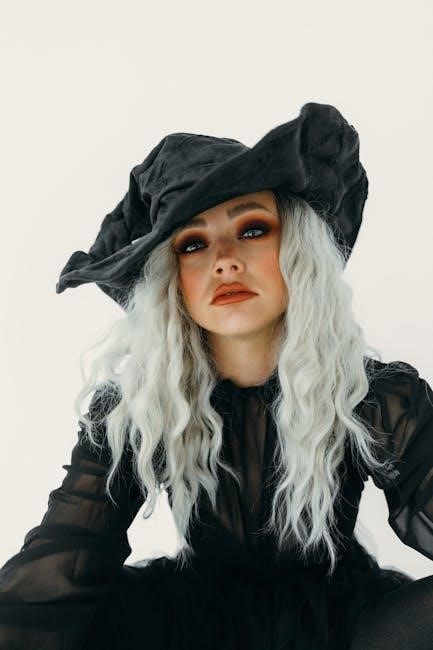
This intersectionality fosters a sense of agency‚ self-discovery‚ and collective empowerment‚ making witchcraft a relevant and resonant practice for many seeking social and personal transformation.
The Psychological Aspects of Witchcraft
Modern witchcraft’s appeal extends beyond the purely spiritual‚ deeply engaging with psychological processes. Rituals‚ for many practitioners‚ aren’t solely about external effects but serve as powerful tools for internal change‚ fostering self-awareness and emotional processing.
Spellcasting can be viewed as a form of focused intention-setting‚ utilizing symbolism and visualization to influence one’s mindset and behavior. This aligns with cognitive behavioral techniques‚ where reframing thoughts and beliefs can lead to tangible results.
Furthermore‚ the practice provides a framework for exploring archetypes‚ shadow work‚ and personal mythology‚ contributing to psychological integration and wholeness. The sense of control and empowerment derived from witchcraft can be profoundly therapeutic.
Modern Witchcraft Online and in Community
The internet has revolutionized modern witchcraft‚ fostering vibrant online communities and accessibility to information. Platforms like Reddit’s r/witchcraft provide spaces for learning‚ sharing experiences‚ and seeking guidance from diverse practitioners.
This digital connectivity transcends geographical limitations‚ allowing individuals to connect with like-minded people and explore various paths within the Craft. Online courses‚ workshops‚ and resources further democratize access to knowledge.
Alongside the digital realm‚ in-person covens and groups continue to thrive‚ offering opportunities for ritual collaboration‚ mentorship‚ and the development of strong bonds. These communities provide a supportive environment for growth and exploration‚ reinforcing the importance of shared practice.
Addressing Misconceptions About Witchcraft
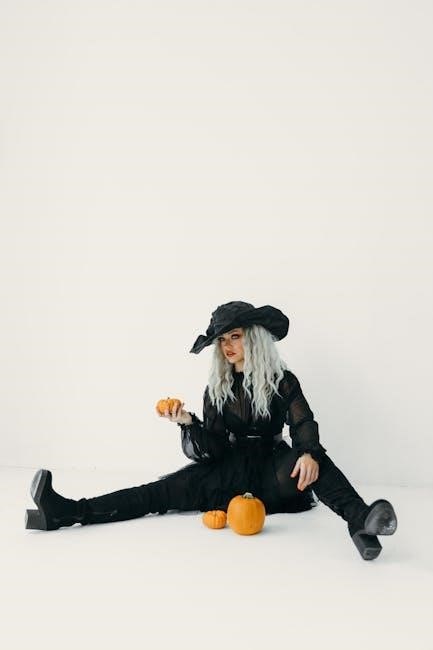
Many misconceptions surround modern witchcraft‚ often stemming from historical inaccuracies and sensationalized portrayals. A common fallacy is equating witchcraft with evil or Satanism‚ a notion firmly refuted by practitioners who emphasize ethical conduct and positive intent.
The belief that witchcraft is solely about spells and curses is also inaccurate; it encompasses a broad range of practices‚ including meditation‚ herbalism‚ divination‚ and energy work‚ all aimed at personal growth and connection with the natural world.
Furthermore‚ the idea that witchcraft is exclusively female is outdated. While historically linked to women‚ modern witchcraft welcomes practitioners of all genders and orientations‚ fostering inclusivity and diversity within the community. Understanding the psychological aspects‚ as rituals fulfill primarily psychological purposes‚ is key.