

Article Plan: Core Exercises After Spinal Fusion
This article details a phased approach to core strengthening post-fusion, incorporating lumbopelvic stabilization, William & McKenzie protocols, and co-contraction techniques.
Spinal fusion, a surgical procedure uniting vertebrae, often necessitates a focused rehabilitation program, particularly concerning core muscle strengthening. Post-fusion, the core’s role shifts from dynamic movement to providing crucial spinal stability. Effective core exercises are paramount for pain management and functional recovery.
This article outlines a progressive exercise plan, beginning with gentle activation and advancing to more complex movements. Protocols like William and McKenzie exercises, alongside lumbopelvic stabilization, are key. Maintaining segmental lordosis, achieved during surgery, is also supported by targeted exercise. A successful outcome relies on consistent, properly performed exercises.
Understanding the Importance of Core Muscles
Core muscles are fundamental for spinal stability, acting as a natural brace to protect the spine and facilitate movement. Following spinal fusion, the core’s responsibility intensifies, compensating for the fused segment’s reduced mobility. Strengthening these muscles – including the transversus abdominis and multifidus – is vital for preventing re-injury and managing pain.
Effective core function enables more painless and effective movements, improving overall quality of life. Rehabilitation programs emphasize co-contraction and stabilization exercises to restore optimal core control post-surgery.
Role of Core in Spinal Stability
The core musculature provides essential stability to the spine, functioning as a biomechanical hub. It controls movement, transfers forces, and protects the spinal column from excessive stress. A strong core maintains neutral spine alignment, reducing strain on the fused segments post-surgery.
This stability is achieved through coordinated activation of muscles like the transversus abdominis and multifidus, creating a rigid cylinder around the spine. Effective core engagement is paramount for successful rehabilitation and long-term spinal health following fusion.
Impact of Fusion on Core Function
Spinal fusion alters natural spinal mechanics, impacting core muscle function. The fused segment loses its ability to move, requiring surrounding muscles to compensate and maintain stability. This can lead to core muscle weakness and altered activation patterns.
Achieving segmental lordosis during surgery, through techniques like anterior cage placement, is crucial. Rehabilitation focuses on re-educating the core to support the fused segment and restore optimal biomechanics, preventing adjacent segment dysfunction and promoting long-term spinal health.
Phases of Core Exercise Rehabilitation
Core rehabilitation post-spinal fusion progresses through distinct phases, each building upon the last. Phase 1 (0-6 weeks) focuses on gentle activation and pain management. Phase 2 (6-12 weeks) introduces strengthening exercises, emphasizing transversus abdominis and multifidus engagement.
Phase 3 (12+ weeks) incorporates more advanced, progressive exercises like planks and bridges. This structured approach ensures safe and effective recovery, gradually restoring core strength, stability, and functional movement patterns, ultimately supporting the fused spine.
Phase 1: Early Post-Operative (0-6 Weeks)
The initial phase prioritizes protecting the fusion site and minimizing pain. Exercise focuses on gentle core activation without stressing the spine. Key goals include regaining diaphragmatic breathing, initiating pelvic tilts to promote spinal mobility, and performing heel slides to encourage gentle abdominal engagement.
Avoidance of excessive movement is crucial. This phase establishes a foundation for later strengthening, preparing the core muscles for more demanding exercises while respecting the healing process post-surgery.
Gentle Core Activation Exercises (Phase 1)
This phase introduces foundational movements to re-establish neuromuscular control. Diaphragmatic breathing promotes relaxation and gentle abdominal engagement. Pelvic tilts improve spinal awareness and mobility, avoiding excessive range of motion. Heel slides gently activate the abdominal muscles while maintaining a neutral spine.
These exercises are performed with low intensity and focus on proper form. The aim is to awaken the core muscles without placing undue stress on the surgical site, preparing the body for progressive strengthening in subsequent phases.
Diaphragmatic Breathing
Diaphragmatic breathing, or “belly breathing,” is a cornerstone of early core rehabilitation. Patients are instructed to lie supine with knees bent, focusing on expanding the abdomen during inhalation and allowing it to fall during exhalation.
This technique encourages deep, controlled breaths, activating the diaphragm and gently engaging the transversus abdominis – a key stabilizer. It promotes relaxation, reduces muscle tension, and improves oxygenation, all crucial for post-operative recovery and preparing for more active core exercises.
Pelvic Tilts
Pelvic tilts are a gentle, low-impact exercise ideal for initiating core engagement after spinal fusion. While lying supine with knees bent and feet flat, patients gently rock their pelvis forward and backward, flattening the lower back against the floor during posterior tilt and creating a small arch during anterior tilt.
This movement improves awareness of pelvic position and strengthens the abdominal and lower back muscles without placing excessive stress on the fusion site. It’s a foundational exercise for restoring lumbopelvic control.
Heel Slides
Heel slides are a foundational exercise in early post-operative rehabilitation following spinal fusion, promoting gentle core activation and lower extremity mobility. Lying supine with knees bent, patients slowly slide their heels along the bed, extending and flexing their legs while maintaining a neutral spine.
This movement encourages subtle engagement of the transversus abdominis and helps to re-establish neuromuscular control. It’s a safe and effective way to begin restoring functional movement patterns without compromising the surgical site.
Phase 2: Intermediate Rehabilitation (6-12 Weeks)
During this phase, the focus shifts towards progressively strengthening the core muscles, building upon the foundation established in Phase 1. Exercises become more challenging, aiming to improve endurance and functional stability.
This stage typically involves incorporating exercises like transversus abdominis activation, bird dogs, and dead bugs. The goal is to enhance lumbopelvic control and prepare the patient for more advanced movements, always respecting pain boundaries and surgical precautions.

Core Strengthening Exercises (Phase 2)
Phase 2 introduces exercises designed to actively engage and strengthen the core musculature. Transversus abdominis activation is key, learning to draw the navel towards the spine without holding breath.

Bird dog exercises improve stability while challenging balance, and dead bugs focus on controlled limb movement while maintaining core engagement. These exercises promote functional movement patterns and prepare the spine for increased loads, contributing to long-term stability and pain reduction post-fusion.
Transversus Abdominis Activation
Activating the transversus abdominis (TVA) is foundational for post-fusion core stability. This involves gently drawing the abdominal wall inward, as if preparing for a light punch, without tilting the pelvis or holding your breath.
Focus on maintaining normal breathing throughout the exercise. Initially, practice this in a supine position. Effective TVA activation creates a natural corset, supporting the spine and enhancing co-contraction with the multifidus muscle, crucial for spinal control and reducing stress on the fusion.
Bird Dog Exercise
The Bird Dog exercise enhances core stability and coordination following spinal fusion. Begin on your hands and knees, maintaining a neutral spine. Simultaneously extend one arm forward and the opposite leg backward, keeping your core engaged and back flat;
Avoid arching or rotating your back. Focus on controlled movements and maintaining balance. This exercise strengthens the core muscles while minimizing stress on the fused segments, promoting functional movement patterns and improving overall spinal control. Perform repetitions slowly and deliberately.

Dead Bug Exercise
The Dead Bug exercise is a foundational core stabilization movement post-spinal fusion. Lie on your back with knees bent and feet lifted, arms extended towards the ceiling. Slowly lower one arm and the opposite leg simultaneously, maintaining core engagement and a flat lower back pressed into the floor.
Avoid arching your back; focus on controlled movement. This exercise strengthens the transversus abdominis and improves neuromuscular control, crucial for spinal stability. Perform repetitions slowly, prioritizing form over speed, to build a strong and resilient core.
Phase 3: Advanced Rehabilitation (12+ Weeks)
Phase 3 focuses on dynamic core strength and endurance, preparing you for functional activities. This stage introduces more challenging exercises, building upon the foundation established in earlier phases. Expect progressive overload with plank and side plank variations, increasing hold times and incorporating movement patterns.

Bridges with core engagement further enhance glute and hamstring strength, contributing to overall spinal stability. Proper form remains paramount; listen to your body and avoid pushing through pain. This phase aims to restore optimal core function and prevent re-injury.
Progressive Core Exercises (Phase 3)
This phase emphasizes controlled movements and increased difficulty. Plank variations, including forearm planks and plank with shoulder taps, challenge core stability. Side planks, with options for hip dips, target oblique muscles. Bridges with core engagement build glute strength while maintaining a neutral spine.
Progression involves increasing hold times, repetitions, and adding resistance bands. Focus on maintaining proper form throughout each exercise to maximize effectiveness and minimize risk. Remember to prioritize quality over quantity, ensuring controlled movements.

Plank Variations
Plank variations progressively challenge core endurance and stability. Begin with a standard forearm plank, maintaining a straight line from head to heels. Progress to high planks (hands extended) and incorporate dynamic movements like plank with shoulder taps – alternating tapping each shoulder while stabilizing the core.
Further variations include side planks, targeting obliques, and plank with leg lifts. Focus on preventing hip sagging and maintaining a neutral spine throughout each exercise. Controlled breathing is crucial for maintaining form and engaging core muscles effectively.
Side Plank Variations
Side planks effectively target the obliques and lateral core stabilizers. Start with a basic side plank, ensuring a straight line from head to feet, supported on your forearm. Progress by lifting the top leg, adding a hip dip (lowering and raising the hip), or performing side plank with rotation – reaching the top arm towards the ceiling.
These variations increase the challenge to core stability. Maintain proper form, avoiding hip sagging or rotation. Controlled breathing is essential for engaging the core and preventing strain. Modifications, like bending the bottom knee, can reduce intensity.
Bridges with Core Engagement
Glute bridges, when performed with conscious core activation, strengthen the posterior chain and enhance spinal stability. Lie on your back with knees bent and feet flat. Lift your hips off the floor, squeezing your glutes and actively drawing your navel towards your spine.
Focus on maintaining a neutral spine throughout the movement. Progress by adding a pelvic tilt at the top, or performing single-leg bridges. Proper form prevents lower back strain and maximizes core engagement, crucial for post-fusion rehabilitation.
Specific Exercise Protocols
Several established protocols effectively rehabilitate core function after spinal fusion. Lumbopelvic stabilization focuses on controlling movement between the lumbar spine and pelvis, building a stable foundation. William flexion exercises emphasize gentle spinal mobility, while McKenzie extension exercises promote postural correction and pain reduction.

Co-contraction of the transversus abdominis and multifidus muscles is vital for dynamic spinal control. These protocols, often combined, address individual needs and promote long-term core strength and stability, improving functional outcomes.
Lumbopelvic Stabilization Exercises
Lumbopelvic stabilization forms a cornerstone of post-fusion rehabilitation, aiming to restore control and coordination between the lumbar spine and pelvis. These exercises initially focus on awareness of neutral spine and engaging core muscles without excessive movement.
Progressive exercises include pelvic tilts, abdominal bracing, and bridging, emphasizing maintaining a stable core throughout. The goal is to create a solid base for functional movements, protecting the fused segments and improving overall spinal stability, ultimately reducing pain and enhancing daily activities.
William Flexion Exercises
William Flexion Exercises are a specific rehabilitation approach designed to restore pain-free range of motion and improve core control post-fusion. This protocol utilizes repetitive lumbar flexion movements in a controlled manner, often performed lying on the side or in a supine position with knees bent.
The focus is on gradually increasing the amplitude of flexion while maintaining proper form and avoiding compensatory movements. These exercises aim to address stiffness and muscle imbalances, promoting optimal spinal mechanics and reducing pain associated with lumbar spinal issues.
McKenzie Extension Exercises
McKenzie Extension Exercises, also known as repeated movements, are utilized to centralize pain and reduce radicular symptoms following spinal fusion. This approach involves performing repeated lumbar extension movements, typically starting prone and progressing to standing, focusing on restoring spinal mechanics.
The goal is to decrease disc pressure and improve spinal alignment, alleviating nerve compression. These exercises are particularly beneficial for patients experiencing pain radiating into the legs. Careful assessment and individualized progression are crucial to ensure effectiveness and prevent exacerbation of symptoms.
Importance of Co-Contraction
Co-contraction, the simultaneous activation of opposing muscle groups, is paramount for spinal stability post-fusion. Specifically, coordinated activation of the transversus abdominis and multifidus muscles creates a natural corset, supporting the spine without excessive movement.
This technique enhances segmental control and reduces stress on the fusion site. Effective co-contraction isn’t about forceful contraction, but precise timing and sustained, gentle engagement. It’s a foundational element in rehabilitation protocols, promoting long-term spinal health and functional recovery.
Transversus Abdominis & Multifidus Co-Contraction
Achieving synchronized activation of the transversus abdominis (TVA) and multifidus is crucial. The TVA, a deep abdominal muscle, provides anterior support, while the multifidus stabilizes the spine posteriorly. Imagine gently drawing your navel towards your spine without tilting your pelvis – this engages the TVA.
Simultaneously, focus on maintaining a neutral spine, subtly activating the muscles along your spine. This co-contraction creates a rigid, protective cylinder around the lumbar spine, enhancing stability and minimizing stress during movement and exercise.
Stretching for Improved Core Function
Maintaining flexibility alongside core strengthening is vital for optimal function post-fusion. Tightness in the hamstrings, hip flexors, and surrounding musculature can compromise core engagement and spinal alignment. Regularly stretching these areas promotes better movement patterns and reduces compensatory strain.
Specifically, hamstring and hip flexor stretches enable more painless and effective movements, as highlighted in recent research. Incorporate gentle, sustained stretches into your routine, holding each for 30 seconds, to improve range of motion and support core stability.

Hamstring Stretching
Tight hamstrings can significantly impact pelvic tilt and lower back posture, hindering core stabilization after spinal fusion. Gentle hamstring stretches are crucial for restoring optimal biomechanics and reducing stress on the fused segments.
Begin with towel stretches while lying supine, gradually increasing the stretch as tolerated. Seated hamstring stretches, keeping the back straight, are also beneficial. Remember to avoid bouncing and focus on a sustained, comfortable stretch. Research emphasizes hamstring flexibility for painless movement post-fusion.
Hip Flexor Stretching
Tight hip flexors contribute to anterior pelvic tilt, compromising core engagement and potentially increasing strain on the spinal fusion. Addressing this imbalance is vital for proper posture and functional movement patterns.
Kneeling hip flexor stretches, ensuring a neutral spine, are highly effective. The Thomas test can help assess hip flexor tightness. Gentle lunges, focusing on maintaining pelvic stability, also provide a beneficial stretch. As with hamstring stretching, avoid bouncing and prioritize a controlled, comfortable range of motion, supporting optimal recovery.
Considerations for Different Fusion Levels
The level of spinal fusion significantly impacts exercise prescription. Lumbar fusions (L4-S1) often require a greater focus on hamstring and hip mobility due to potential restrictions. Higher-level fusions (e.g., T10-L2) necessitate careful consideration of trunk rotation and extension, prioritizing core stabilization over dynamic movements initially.
Decompression performed during surgery, related to pathologies like stenosis or spondylolisthesis, also influences the rehabilitation approach. Individualized protocols, guided by a physical therapist, are crucial for safe and effective core strengthening.
Pain Management During Exercise
Effective pain management is paramount during core rehabilitation post-fusion. Begin with gentle exercises within a pain-free range of motion, gradually increasing intensity as tolerated. Utilize pain scales to monitor discomfort levels and avoid exacerbating symptoms.
Pre-exercise analgesia, as prescribed by a physician, may be beneficial. Employ techniques like diaphragmatic breathing to promote relaxation and reduce muscle guarding. Prioritize proper form over repetitions, and immediately modify or cease exercises if pain increases significantly.
Precautions and Contraindications
Certain conditions necessitate exercise modifications or contraindicate core work post-fusion. Avoid high-impact activities and excessive spinal loading during initial phases. Caution is advised with patients experiencing unresolved pain, implant instability, or neurological deficits.
Contraindications include acute infections, uncontrolled medical conditions, and signs of hardware failure. Always adhere to the surgeon’s and physical therapist’s specific recommendations. Progress slowly, respecting individual healing timelines, and prioritize safety above all else to prevent complications.
Role of Physical Therapy
Physical therapy is paramount for successful recovery after spinal fusion. A qualified therapist designs a personalized exercise program, progressing through phases based on individual healing and functional goals. They provide crucial guidance on proper form, ensuring safe and effective core activation.

Therapists monitor progress, address pain, and modify exercises as needed. They educate patients on body mechanics, postural awareness, and long-term core maintenance strategies, maximizing functional outcomes and minimizing the risk of re-injury.
Monitoring Progress & Adjusting Exercises
Regular assessment is vital to track rehabilitation effectiveness. Physical therapists utilize functional tests and pain scales to monitor improvements in core strength, stability, and range of motion. Exercise progression isn’t linear; adjustments are crucial based on individual responses.
If pain increases or function declines, exercises may need modification or regression. Conversely, if exercises become too easy, resistance or complexity should be increased. Consistent communication with your therapist ensures a safe and optimized recovery journey.
Importance of Proper Form
Maintaining correct form during core exercises is paramount post-spinal fusion. Incorrect technique can place undue stress on the fusion site, potentially hindering healing or causing complications. Focus on controlled movements, engaging the correct muscles – particularly the transversus abdominis and multifidus – throughout each exercise.
Prioritize quality over quantity. It’s better to perform fewer repetitions with perfect form than many with improper technique. A physical therapist can provide personalized guidance and feedback to ensure safe and effective execution.
Integrating Core Exercises into Daily Life
Successfully returning to daily activities after spinal fusion relies on consistent core engagement. Beyond dedicated exercise sessions, consciously activate your core muscles during everyday movements like lifting, bending, and even sitting or standing.
Maintain good posture, and practice mindful movement patterns. Incorporate small core activations throughout the day – gentle abdominal bracing while walking or performing household chores – to reinforce muscle memory and promote long-term spinal stability. This proactive approach is crucial for sustained recovery.
Long-Term Core Maintenance
Sustained core strength is vital following spinal fusion, preventing re-injury and chronic pain. Continue a modified exercise program indefinitely, focusing on maintaining muscle endurance and stability. Regular, low-impact activities like walking, swimming, or yoga can supplement dedicated core work.
Prioritize proper body mechanics in all activities. Periodic check-ins with a physical therapist can ensure continued correct form and address any emerging issues. Consistent effort is key to a healthy, active lifestyle post-fusion.
Potential Complications & When to Seek Help
While core exercises are beneficial, complications can occur. Increased pain, numbness, or weakness in legs or feet warrants immediate medical attention, potentially indicating nerve compression or implant issues. Watch for signs of pseudoarthrosis (failed fusion), like persistent instability or pain.
Any new or worsening back pain, especially if accompanied by fever or redness at the incision site, requires prompt evaluation. Do not hesitate to contact your surgeon or physical therapist if you experience concerning symptoms during rehabilitation.
The Impact of Segmental Lordosis on Exercise
Achieving and maintaining segmental lordosis—the natural inward curve of the lower spine—is crucial post-fusion. Studies indicate that maximizing cage height placement anteriorly during surgery aims to restore this lordotic angle.
Exercises should support this restored curvature; avoid movements that flatten the lower back. Core engagement, particularly transversus abdominis activation, helps stabilize the spine in a lordotic position. Proper form during exercises is paramount to prevent loss of lordosis and potential complications.
Decompression Considerations & Exercise
The extent of decompression performed during spinal fusion significantly influences exercise rehabilitation. If decompression was limited – for example, not performed in cases of degenerative disc disease – the initial focus should be on gentle core activation and stabilization.
Conversely, patients with central/lateral recess stenosis or foraminal stenosis who underwent decompression may require a more cautious approach, prioritizing exercises that avoid excessive spinal loading until adequate healing occurs. Careful surgeon oversight is vital during exercise protocols.
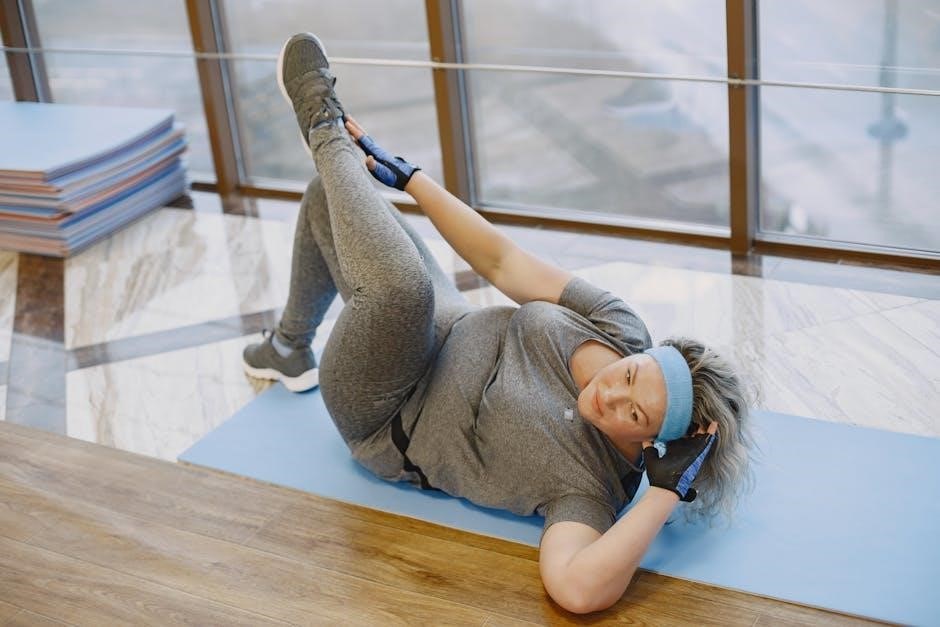
Rehabilitating core strength after spinal fusion is a progressive journey, demanding patience and adherence to a phased exercise program. Effective protocols, like lumbopelvic stabilization and William/McKenzie exercises, coupled with transversus abdominis and multifidus co-contraction, are crucial for long-term success.
Consistent engagement, guided by a physical therapist and surgeon, optimizes outcomes. Maintaining proper form and managing pain are paramount, paving the way for improved spinal stability and a return to functional activities.